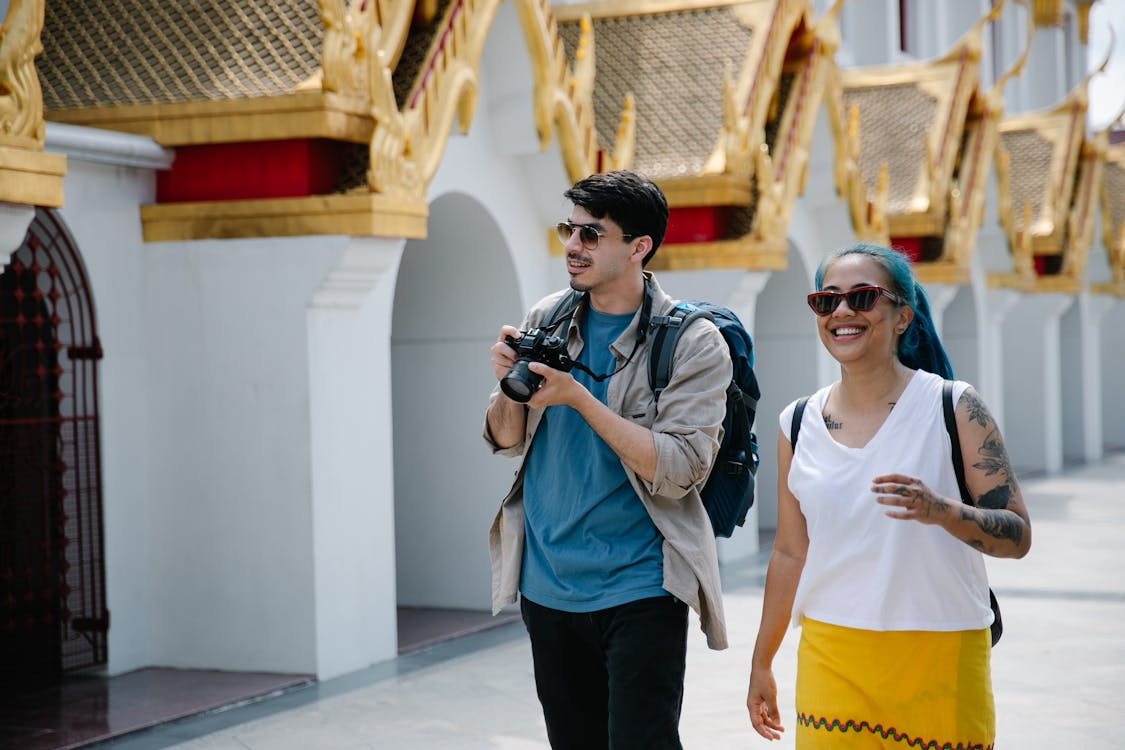
Travel photography is exciting and deeply rewarding, even if it feels a little overwhelming when you’re just starting out. The good news is that you don’t need perfect scenery, expensive equipment, or an exotic destination to begin building your skills. What matters most is getting comfortable observing the world around you, experimenting with your camera, and learning through practice.
Whether you’re exploring a new city, settling into a hotel room, or wandering familiar streets back home, every environment has details worth noticing and moments worth capturing. With the right mindset and a bit of curiosity, you’ll find that travel photography becomes less about flawless conditions and more about the joy of seeing, documenting, and creating as you go.
How to Start Travel Photography
Starting travel photography is less about having the “right” destination and more about building awareness, learning to notice light, patterns, and moments in any setting. When you travel, your hotel becomes your home base, and it’s often the first place where you can warm up your eye. From window views to architectural details, a hotel room offers an easy, low-pressure environment to start shooting before heading out to explore.
Once you step outside, let curiosity guide you. Walk through nearby streets, wander into local cafés, pay attention to the rhythm of the neighborhood, and look for scenes that tell a story. The goal isn’t to capture everything: It’s to slow down, observe, and let the environment reveal what’s interesting.
Essential Gear for Beginner Photographers
Building a small, reliable kit makes travel photography easier, especially when you’re moving between hotel rooms, city streets, and other outdoor locations. Don’t try to carry everything all the time; instead, prioritize essentials that help you stay flexible in different lighting and shooting conditions.
Recommended basics include:
- Camera or Smartphone: Use the device you already have. Modern phones with manual controls and RAW capture can handle most travel scenarios.
- Versatile Lens: A standard zoom (18-55 mm or 24-70 mm) or a compact prime lens (35 mm or 50 mm) gives you plenty of creative range.
- Spare Memory Cards: Helpful for long days of exploring or shooting in high-resolution formats
- Extra Batteries: Not every hotel room has convenient outlets, and you might spend a lot of time on the go, so backups are recommended.
- Lens Cleaning Cloth: Dust, fingerprints, and humidity build up quickly during travel and can tarnish your shots if you aren’t equipped for quick cleanups.
- Lightweight Tripod or Mini Stand: Useful for night scenes, steady indoor shots, or self-portraits
- Protective Bag: A small, padded case keeps gear safe when you’re navigating busy streets or storing equipment in your hotel room.
Beginner Travel Photography Tips
Once you’re comfortable with your gear and surroundings, small habits can help you capture more intentional, expressive photos. These tips are especially useful when adapting to new cities, unfamiliar lighting, or the varied environments you encounter while traveling:
- Work With Available Light: Morning and late afternoon offer softer tones, but try practicing in harsher light, too, since the shot you want may not always happen in ideal conditions.
- Give Scenes a Moment to Develop: Staying in one spot often reveals gestures, patterns, or interactions you might miss otherwise.
- Stay Nimble: A simple setup encourages you to move and capture pictures freely rather than worrying about your gear.
- Edit With Care: Subtle adjustments to exposure, color, and framing can elevate your images without changing their authenticity.
- Choose Small Daily Themes: Focusing on specifics like reflections, shadows, or repetitive shapes helps you keep motivated when a place feels visually overwhelming.
- Back Up Your Photos Each Night: That way, you don’t risk losing a day’s worth of work due to device failures or accidents.
Mistakes to Avoid in Travel Photography
Travel photography is a constant learning experience, and it’s normal to make mistakes along the way. Being aware of these common pitfalls can help you maintain consistency and protect the integrity of your images:
- Relying Only on Auto Mode: Experiment with semi-manual settings to gain more creative control.
- Photographing Everything You See: Focus on moments, details, or stories that genuinely interest you.
- Ignoring the Background: Distracting clutter or unintended subjects can weaken an otherwise strong composition.
- Heavy-Handed Editing: Oversaturated colors and extreme filters often distract from the actual moment you captured.
- Losing Situational Awareness: Stay mindful of traffic, uneven surfaces, and your surroundings; your safety always comes first.
Developing Your Eye and Style
Finding your personal style takes time, experimentation, and honest self-reflection, but travel creates the perfect environment for growth. Constant new textures, new light, and new perspectives can help you discover what resonates with you visually.
Try these exercises to strengthen your creative photography style:
- Photograph the same view at different times of day. Even a hotel window or balcony scene changes dramatically with the light.
- Pick a theme or constraint (like monochrome, geometry, or motion) and build a mini-series around it.
- Study photographers or artists you admire to understand what draws you to their work, like their approach to light, storytelling, or minimalism.
- Review your photos regularly to identify patterns, preferences, or gaps in your technique.
- Experiment with a variety of subjects, from street scenes and architecture to food, portraits, or candid moments.
- Try limitation challenges, such as shooting with one lens or staying within a one-block radius, to spark creativity and sharpen your eye.
Additional Travel Photography Resources
- Five Tips for Better Travel Photography
- Ethical Traveler’s Guide to Photography
- Travel Photography: Tips for Capturing the Essence of a Destination
- Tips for Taking Good Photos While You Travel
- Travel Photography Tips
- Basics of Travel Photography and Videography
- 10 Travel Photography Tips That Will Help Raise Your Game
- How to Take Better Photos on Vacation
- Learning Digital Photography
- How to Take Great Photos While Traveling
- Tips for Taking Great Photos
- Mastering the Basics of Photography
- Eight Educational Photography Resources to Spark Creativity
- Smartphone Photography 101
- Vacation Photo Do’s and Don’ts
- What Education Do I Need to Become a Photographer?