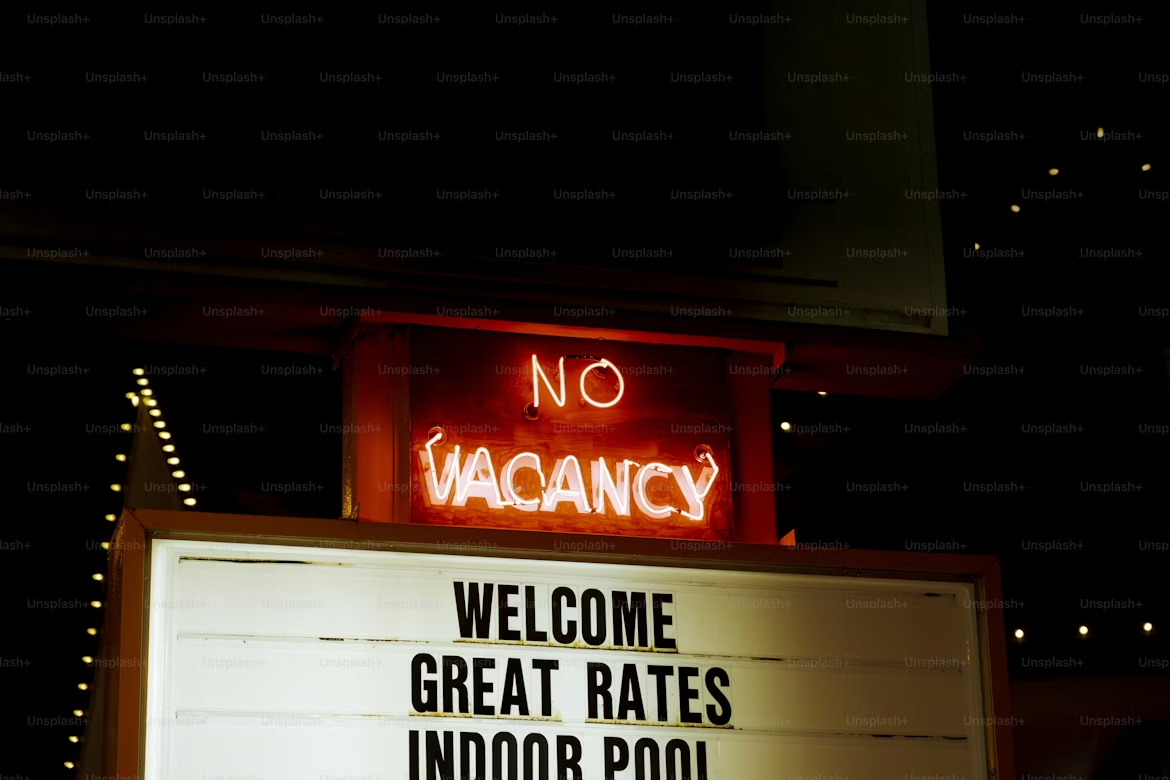
For years, hotel guests have encountered an unpleasant surprise at checkout: the advertised room rate they saw online bears little resemblance to the final bill. Resort fees, destination fees, hospitality service fees, and other mandatory charges — otherwise known as hotel junk fees — pile on top of the base price, sometimes adding $50 or more per night to the total cost.
These junk fees have become a point of frustration for travelers, as they’ve made price comparisons nearly impossible due to typically being hidden until checkout, which has raised serious questions about transparency in the hospitality industry. Recent federal regulations have targeted this practice head-on, promising laws that force hotels to provide full transparency on pricing and fees. But are hotel junk fees still an issue in 2026?
The answer is more nuanced than a simple yes or no. Below, we’ll explain what hotel junk fees are, what’s changed with new regulations, and what travelers should know before booking their next hotel stay.
What Are Hotel Junk Fees?
Hotel junk fees are mandatory charges that hotels add to room rates. What makes them “junk” is the deceptive practice of hiding them from customers during the shopping process, not necessarily the fee itself.
These fees go by various names, including resort fees, destination fees, amenity fees, urban fees, facility fees, and hospitality service fees. Regardless of what hotels call them, these charges function the same way: they increase the total price you pay beyond the advertised nightly rate.
This practice, formally known as “drip pricing”, became widespread as it allowed hotels to attract more business by advertising lower room rates. In the end, however, they would tack on additional fees that guests were obligated to pay, ensuring the hotels would continue generating substantial revenue.
For instance, a Las Vegas hotel could advertise rooms at $89 per night while adding a $51 resort fee at checkout, making the actual cost $140.
The FTC Junk Fees Rule: What Changed in 2025
On May 12, 2025, the Federal Trade Commission’s Rule on Unfair or Deceptive Fees took effect, fundamentally changing how hotels must display pricing. The rule prohibits bait-and-switch pricing and other tactics used to hide total prices from consumers in the short-term lodging and live-event ticketing industries.
The FTC announced the final rule in December 2024 after years of study, consumer advocacy, and public commentary. The regulation requires businesses to clearly and conspicuously disclose the total price, inclusive of all mandatory fees, whenever they offer, display, or advertise any price for short-term lodging. This means resort fees, destination fees, and any other mandatory charges must appear in the advertised price upfront, not buried in fine print or added at checkout.
According to the FTC, the rule will save consumers up to 53 million hours per year spent searching for accurate hotel pricing. This time savings translates to more than $11 billion in value over the next decade. Violations of the rule can result in civil penalties exceeding $51,744 per violation, providing a strong incentive for compliance.
Are Hotel Junk Fees Illegal Now?
The short answer is Yes — hiding mandatory hotel fees is now illegal under federal law. Hotels cannot advertise one price and then surprise customers with additional charges at checkout.
However, the fees themselves are not illegal.
Hotels can still charge resort fees, amenity fees, and other additional costs. The difference is that these mandatory fees must be clearly disclosed in the advertised price from the start. So when you search for hotels online, the price you see in search results must include all mandatory fees. The only charges excluded from this requirement are taxes and optional add-ons like parking, room service, or spa treatments.
State Laws and Federal Legislation on Hotel Junk Fees
Several states have implemented their own junk fee laws beyond federal requirements.
California passed legislation requiring upfront disclosure of all mandatory fees that took effect on July 1, 2024. Minnesota enacted a similar law on January 1, 2025. New York City also implemented regulations in February 2026 requiring hotels to include all mandatory fees in advertised prices. These state and local laws work alongside the federal FTC rule to ensure transparency.
Several bills pending in Congress would also establish additional standards for hotel fee disclosure. The Hotel Fees Transparency Act of 2025 passed the U.S. House of Representatives and awaits Senate consideration. This bipartisan legislation would create a uniform national definition of “total service price” and reinforce the FTC’s transparency requirements to enforce transparency and protect consumers.
What Fees Must Be Disclosed Upfront?
Under the FTC rule, any mandatory fee charged to customers must be included in the total price displayed upfront. The rule requires these fees to appear in the prominently displayed total price. Hotels cannot bury mandatory charges in fine print, display them only at checkout, or characterize them in ways that mislead consumers about the true cost.
Fees that must be included:
- Resort fees: Charges supposedly covering pool access, beach chairs, fitness center use, and similar amenities
- Destination fees: Urban hotels often use this term for charges that function identically to resort fees
- Amenity fees: Fees covering Wi-Fi, local calls, newspaper delivery, or other services
- Facility fees: Charges for maintaining property amenities and services
- Service fees: Broad charges that cover various hotel operations or amenities
- Processing fees: Some hotels charged separate fees for processing reservations or handling bookings
Fees that can be separate:
- Taxes: Government-imposed taxes and fees can be added separately since hotels don’t control these amounts
- Optional services: Charges for parking, room service, minibar items, spa services, or other amenities guests can choose to use or decline
- Shipping charges: If applicable to goods or services, these may be disclosed separately
The distinction hinges on whether the fee is mandatory. If guests cannot avoid paying it during their stay, it must appear in the advertised price.
How Hotels Display Prices Now
Following the May 2025 implementation of the FTC rule, most major hotel chains have updated their booking systems to display all-inclusive pricing. When you search for hotels on booking platforms or hotel websites, you should see the total price including mandatory fees from the first results page.
Many chains began voluntary compliance before the rule took effect as well. Hilton, Hyatt, IHG, and Marriott companies updated their booking platforms to display total pricing in anticipation of the regulation. For example, MGM Grand in Las Vegas now shows “$400 per night (includes $50 resort fee)” in search results rather than advertising “$350” and hiding the resort fee until checkout.
What you should see when booking now:
- Total price displayed prominently: The main price shown in search results and on property pages includes all mandatory fees
- Breakdown available: Many sites provide a breakdown showing the base room rate and itemized fees when you click for details
- Taxes shown separately: Government taxes typically appear as a separate line item during the final booking stage
This represents a significant improvement over previous practices where resort fees appeared only in fine print or didn’t surface until checkout.
Why Resort Fees Persist Despite Regulation
If transparency rules require upfront disclosure, why haven’t hotels simply rolled mandatory fees into their room rates? Several factors explain why resort fees persist even under the new regulatory framework.
For instance, hotels use complex revenue management algorithms that benefit from separating amenity charges from room rates, even when displayed together. This structure allows flexibility in how properties allocate revenue for accounting and taxation purposes. Additionally, some hotel loyalty programs waive resort fees for elite members or award bookings, making separate line items easier to administer.
The key difference now is that these fees can no longer be hidden from customers during the shopping and booking process. Whatever structure hotels choose for their pricing, the total cost must be clear from the start.
What Travelers Should Know When Booking Hotels
The new transparency requirements make hotel shopping easier, but travelers should still pay attention to several factors when comparing options:
- Verify total price: While hotels must display all-inclusive pricing, always verify the total cost before completing your booking
- Understand what’s covered: When hotels charge resort fees, review what amenities are included and whether you’ll actually use them
- Check loyalty program benefits: If you have elite status with a hotel chain, verify whether your status includes resort fee waivers
- Compare actual costs: Focus on the total price when shopping, not just the nightly rate before fees
- Book directly when possible: Hotel websites sometimes offer benefits or flexibility not available through third-party booking sites
- Read cancellation policies: Understanding your booking’s flexibility is as important as knowing the total cost
- Consider alternatives: If resort fees seem excessive for amenities you won’t use, explore hotels that don’t charge these fees
- Report violations: If you encounter hotels hiding mandatory fees during booking, you can file a complaint with the FTC.
The Future of Hotel Junk Fees
Hotel junk fees remain a reality in 2026, but the landscape has changed dramatically. The combination of FTC regulation, state laws, and pending federal legislation has largely ended the practice of hiding mandatory fees from travelers during the booking process. Hotels continue to assess resort fees and similar charges, but these fees now appear clearly in the total price from the moment you start shopping.
For travelers, this transparency represents a significant win. You can now compare hotel costs accurately, budget effectively, and avoid unpleasant surprises at checkout. The regulation doesn’t guarantee lower prices, but it ensures honest pricing. The days of discovering hidden mandatory fees only when checking out are ending, replaced by a marketplace where hotels compete on true total price.
Ready to find and book your next hotel with transparent pricing? Browse thousands of properties using the HotelsOne booking platform.
HotelsOne is a premier reservation booking platform that allows you to browse over 400,000 hotels worldwide. Enjoy hassle-free, secure booking with discounted rates and no reservation fees! For more information on booking and customer support, check out our FAQs page.