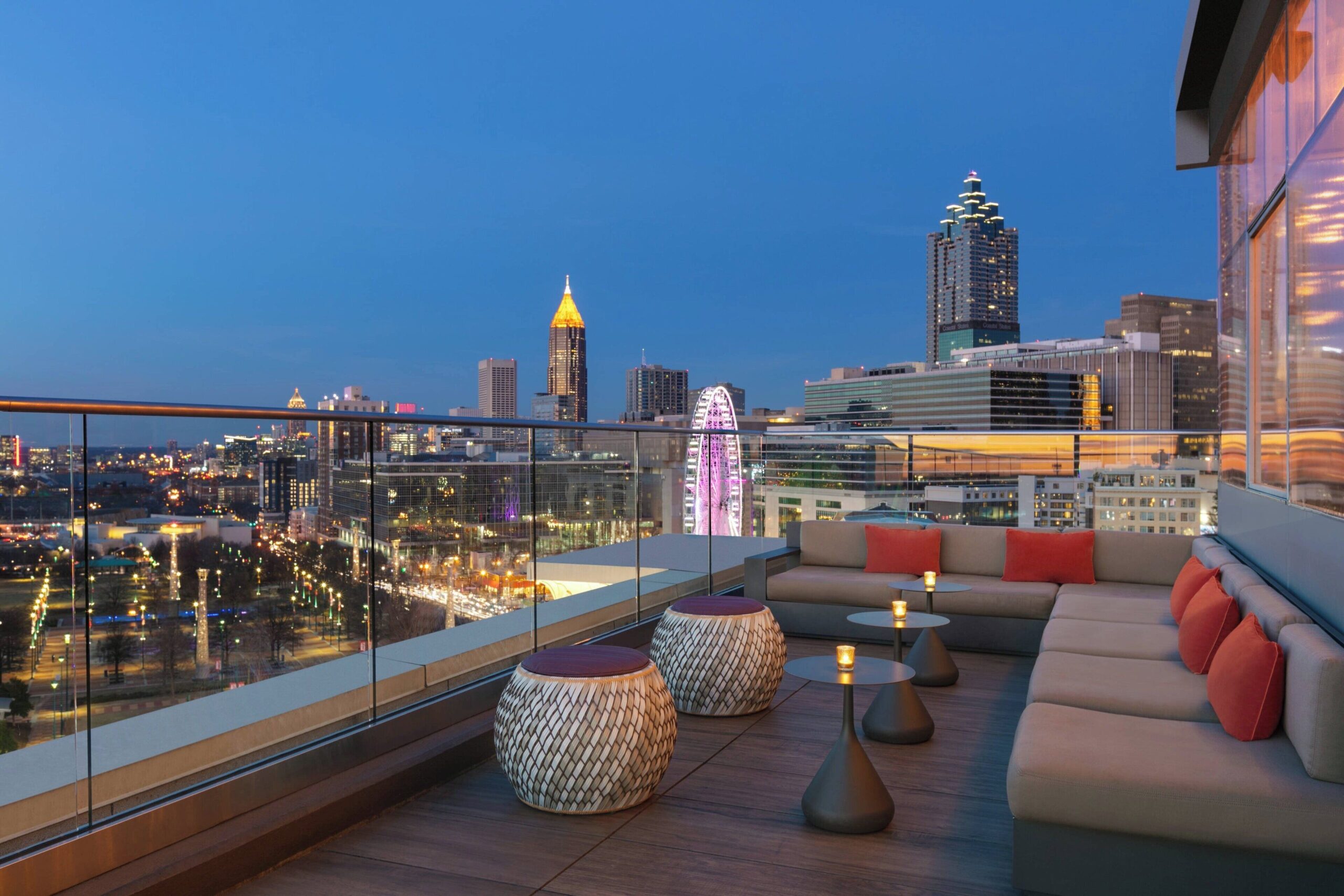
Atlanta, Georgia, is known as “the capital of the South,” and also affectionately referred to as “The Big Peach”, among other nicknames. It’s a dynamic city with a rich history, attracting visitors from all over the world for its vibrant cultural scene, iconic landmarks, sports teams, and renowned culinary offerings.
If you’re visiting Atlanta soon, this guide will answer all your questions and help you navigate everything you need to know to make the most of your time and budget.
Where to Stay in Atlanta?
Atlanta offers a diverse range of neighborhoods for visitors, each with its own unique personality and offerings, as well as a variety of hotels that reflect the city’s history and character. Where you stay may impact your potential plans, so it’s a good idea to learn about the various neighborhoods and districts to plan accordingly.
Here’s an overview of the main areas where travelers typically stay:
Downtown Atlanta
Downtown Atlanta is the heart of the city and its premier business district. Here you’ll find most of the city’s top attractions, anchored around Centennial Olympic Park. This area also puts you within steps of the Georgia Aquarium, World of Coca-Cola, National Center for Civil and Human Rights, Children’s Museum of Atlanta, and Mercedes-Benz Stadium.
As for accommodations, the area offers a wide range of options, from luxurious hotels to budget-friendly options. If you want to be in the center of the action with easy access to Atlanta’s most iconic sights, Downtown is where you want to be.
Midtown Atlanta
Midtown Atlanta is centrally located and convenient to just about everything, offering the best of Atlanta for first-time visitors. Midtown is known for arts and culture, as it’s home to the Fox Theatre, High Museum of Art, Atlanta Botanical Garden, and Piedmont Park.
It also offers a great selection of restaurants, bars, museums, and parks, and it’s the most affordable area to stay. If you’re looking for a cultural experience with walkable streets and excellent public transit access, Midtown is ideal.
Buckhead Village
Buckhead Village is located on the North end of Atlanta and is considered the city’s upscale neighborhood. Buckhead is renowned for its upscale shopping and dining district, featuring luxury hotels, high-end boutiques, and chic restaurants.
This area also offers attractions like the Atlanta History Center, Lenox Square, Phipps Plaza, and Chastain Park Amphitheatre. If you prefer a more polished and sophisticated atmosphere with upscale accommodations, Buckhead is the destination for you.
Old Fourth Ward
The Old Fourth Ward has a unique sense of urban flair that is shaped by its rich history. This neighborhood blends rich history with modern developments, offering residents a range of shops, restaurants, and green spaces all within walking distance, with Ponce City Market serving as a major hub.
The area offers access to the Atlanta BeltLine, making it an ideal destination for visitors seeking a blend of local experiences and convenient connectivity. If you want to experience Atlanta like a local with access to trendy eateries and the BeltLine, Old Fourth Ward is an excellent choice.
How Far is the Airport From My Hotel in Atlanta?
The Hartsfield-Jackson Atlanta International Airport is the major airport located south of downtown Atlanta. If you’re coming from Hartsfield-Jackson, here’s how far you can expect to travel from the airport to each major area:
- From Downtown: general travel times are typically 15-25 minutes to downtown
- From Midtown: The airport is a 20-25 minute MARTA train ride away, or approximately 20 minutes by car with no traffic
- From Buckhead: Buckhead, the distance is 17 miles, taking approximately 23 minutes by taxi or 33 minutes by MARTA subway
- From Old Fourth Ward: Expect 20-30 minutes, depending on traffic and your exact location
Transportation options from the airport include MARTA rail (the most affordable and often fastest option), rental cars (available at the airport’s Rental Car Center, accessible via SkyTrain), taxis, rideshare services like Uber and Lyft, hotel shuttles, and private car services. MARTA has a rail station located at the north end of the airport, near baggage claim, offering the quickest and least expensive way to get to and from the airport to downtown Atlanta.
Is There Public Transportation in Atlanta?
Atlanta’s public transportation is operated by the Metropolitan Atlanta Rapid Transit Authority (MARTA), which operates a network of bus routes linked to a rapid transit system consisting of 48 miles of rail track with 38 subway stations.
These are your public transportation options in Atlanta:
- MARTA Rail: Four lines (red, gold, blue, green) run throughout downtown — red and gold go north-south, blue and green go east-west. Trains operate from 5:00 a.m. to 2:00 a.m. on weekdays and from 6:00 a.m. to 1:00 a.m. on weekends, arriving every 15-20 minutes. One-way fares are $2.50, and round-trip fares are $5.
- MARTA Bus: Broader coverage than rail, serving suburbs and intown neighborhoods from 5:00 am to 1:00 am daily, extending north to Alpharetta, south to Hampton, west to Palmetto, and east to Stonecrest. One-way fares are $2.50, and round-trip fares are $5.
- Uber and Lyft: Available throughout the city for point-to-point travel. Costs vary by distance and demand.
- Atlanta Streetcar: Connects MLK Jr. National Historic Site and Centennial Olympic Park with 10 stops, running every 10-15 minutes daily 8:15 am-11:00 pm. One-way fares cost $1, and day passes cost $3.
- Taxis: Available at hotels and major attractions, can be hailed on busy streets. Major companies include Atlanta Checker Cab and Yellow Cab. Metered rates start at a $2.50 base fare plus $2.50 per mile.
- Atlanta BeltLine: 22-mile loop of trails connecting 45 neighborhoods for walking or biking. Free to use.
Note: For frequent travelers, MARTA offers multi-day passes that provide unlimited rides on both rail and bus: 1-Day Pass ($9), 7-Day Pass ($23.75), and 30-Day Pass ($95). These passes can be loaded onto reloadable Breeze cards, making them a convenient and cost-effective option for visitors planning to use public transit throughout their stay.
Is Atlanta a Walkable City?
Atlanta is considered a car-dependent city as a whole. However, certain neighborhoods within the city are very walkable and offer excellent pedestrian experiences.
Atlanta’s most walkable areas include:
- Midtown: Midtown is one of the most walkable areas here, as you can walk from any Midtown hotel to grocery stores, bars, and restaurants. It’s also easy to catch public transportation to get to other areas of the city from here.
- Old Fourth Ward: This area is very walkable, with direct access to Ponce City Market, Historic Fourth Ward Park, and the Eastside Trail of the BeltLine. Most activities can be accomplished on foot, and the neighborhood offers easy walking access to restaurants, shops, and green spaces.
- Downtown: Downtown Atlanta is also incredibly walkable with restaurants, shops, and major attractions within a short walking distance from one another, and most hotels in the area.
- Buckhead Village: Buckhead offers walkability to more than 140 restaurants, coffee shops, and bars where residents and visitors alike can walk to an average of 25 dining places in just five minutes.
- Virginia-Highland: This tree-lined neighborhood is highly walkable along North Highland Avenue, where you’ll find locally-owned boutiques, restaurants with sidewalk patio dining, and neighborhood bars. Its pedestrian-friendly streets make it especially easy to explore on foot.
The Atlanta BeltLine’s Eastside Trail directly connects Midtown, Virginia-Highland, Old Fourth Ward, and Inman Park, making it easy to walk or bike between these areas. MARTA rail also provides convenient connections between Downtown, Midtown, and Buckhead. Outside these core neighborhoods, having a car or using rideshare services becomes more necessary.
Is Atlanta Safe?
Atlanta is generally safe for visitors, particularly in the main tourist districts and neighborhoods where travelers typically stay. Neighborhoods like Midtown, Buckhead, Virginia-Highland, and Old Fourth Ward are considered safe for visitors, with areas like Midtown benefiting from active community safety programs. The city has seen significant decreases in violent crime in recent years, though car break-ins remain the most common crime affecting visitors.
Like any major city, standard safety precautions apply. Some neighborhoods in south and west Atlanta, including Bankhead, Vine City, West End, Lakewood Heights, and Oakland City, experience higher crime rates and are best avoided, especially after dark. For detailed, up-to-date crime information, refer to the Atlanta Police Department’s crime reports.
Safety Tips for Visiting:
- If renting a car, never leave valuables visible inside. Car break-ins are the most commonly reported crime in Atlanta. Use the “Lock, Hide, Keep” rule: lock your doors, hide all belongings (even in the trunk at parking lots), and keep your rental in well-lit, secure areas
- Stay alert and aware of your surroundings, especially when walking alone or at night in unfamiliar areas
- Stick to well-lit, busy streets when exploring on foot, and travel in groups when possible after dark
- Use rideshare services (Uber/Lyft) or taxis for late-night transportation rather than walking long distances
- MARTA is generally safe and reliable with its own police force, though use standard urban caution during evening hours
What to Do in Atlanta
Atlanta offers a wide range of activities for visitors, from world-class museums and aquariums to rich civil rights history sites and professional sports venues. Visitors typically spend their time exploring attractions like the Georgia Aquarium, World of Coca-Cola, and the Martin Luther King Jr. National Historical Park, catching games at Mercedes-Benz Stadium or Truist Park, and walking or biking the Atlanta BeltLine. The city also offers plenty of free things to do for budget-conscious travelers.
These are some of the most accessible things to do while in Atlanta:
- Centennial Olympic Park: This 22-acre park features the iconic Fountain of Rings, playgrounds, and expansive lawns, with free events hosted throughout the year.
- Martin Luther King Jr. National Historical Park: This complex includes MLK’s childhood home, the First Ebenezer Baptist Church, and the King Center. Entry is free.
- Piedmont Park: Free 200-acre green space in the heart of the city, offering trails, playgrounds, and hosting major events like Atlanta Pride and the Atlanta Jazz Festival.
- Atlanta BeltLine: Walk or bike this 22-mile loop of trails connecting 45 neighborhoods, featuring public art, parks, and access to restaurants and shops along the way.
- Jackson Street Bridge: Located in Old Fourth Ward, this bridge offers an iconic view of downtown Atlanta’s skyline, perfect for photos, especially at sunset.
You can also check out the city’s events page to see what’s happening while you’re there, and if you’re looking to stay within walking distance of Piedmont Park, there’s a range of excellent hotels to choose from.
Where to Eat in Atlanta
Atlanta is renowned for its Southern and soul food cuisine, featuring traditional comfort food like fried chicken, shrimp and grits, biscuits, and mac and cheese, as well as modern interpretations of these classics. The city has also become a hot spot for fusion restaurants, blending Southern flavors with international influences. Atlanta offers everything from historic eateries serving time-tested recipes to James Beard Award-nominated chefs creating innovative dishes.
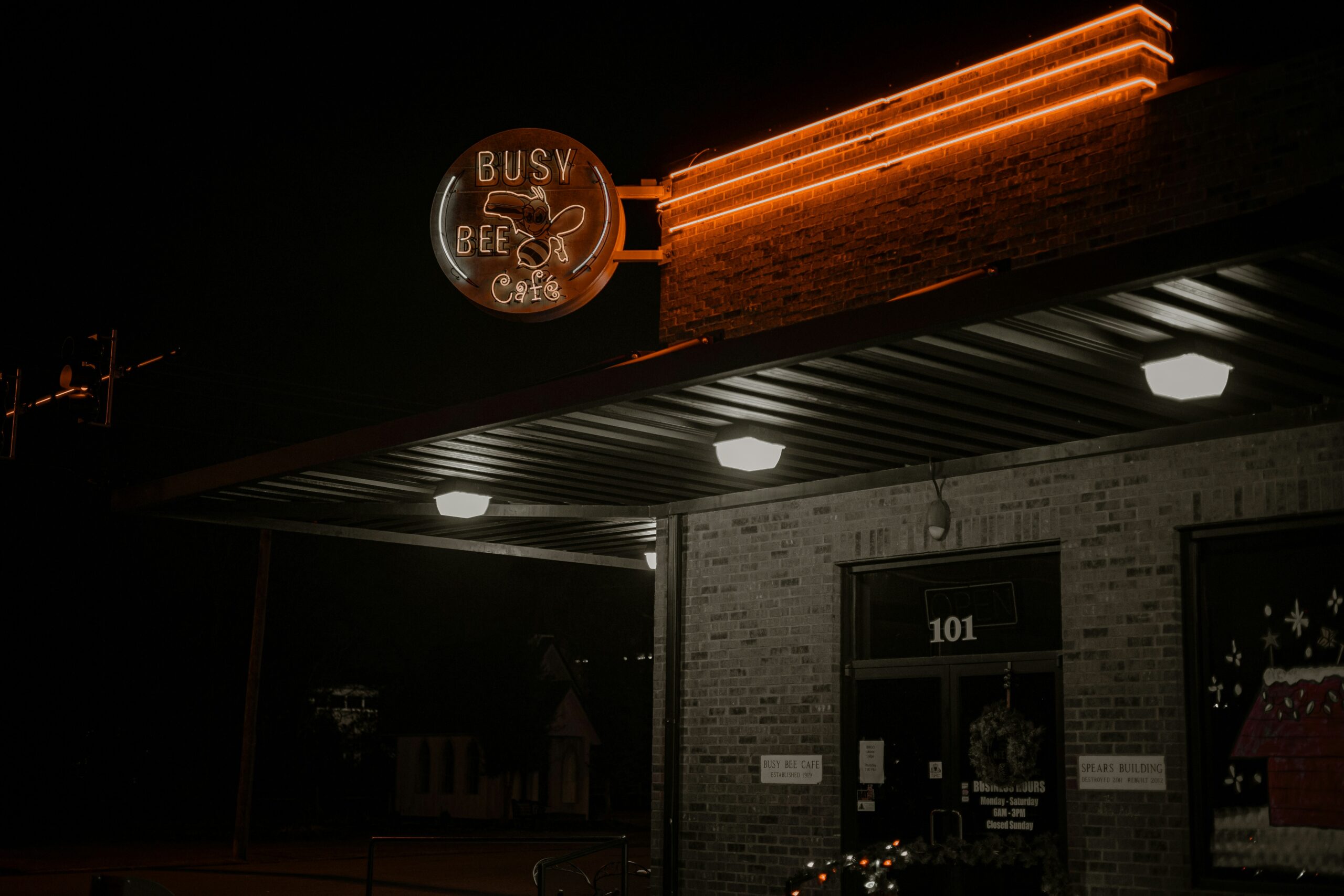
Iconic spots include Mary Mac’s Tea Room (serving authentic Southern cuisine since 1945), The Busy Bee Cafe (known for soul food and fried chicken since 1947), and Paschal’s (a civil rights landmark opened in 1947). Beyond Southern cuisine, Atlanta offers diverse international cuisines, including Ethiopian, Vietnamese, Korean, and Mexican, particularly along Buford Highway’s multicultural food scene.
Most major areas — Downtown, Midtown, Buckhead, and Old Fourth Ward — feature restaurants, coffee shops, and cafes within walking distance of hotels, making it easy to find the best Atlanta restaurants wherever you stay.
What’s the Weather Like in Atlanta?
Despite having a mild climate, Atlanta experiences all four seasons, with an average annual temperature of 61°F.
- Summer (June-August): July is the hottest month, averaging 89 degrees. Summers are hot and muggy, with temperatures typically varying to around 89°F and rarely above 95°F. The summer months also witness considerable rainfall with afternoon thunderstorms.
- Winter (December-February): January is the coldest month, with the average low at 34 degrees. Winters are short, cold, and wet. The coldest months are December, January, and February, when daytime temperatures are around 54°F and nighttime temperatures can drop below freezing, with occasional snowfall between December and January.
- Spring (March-May) and Fall (September-November): Spring and autumn are generally mild and sunny seasons, with spring characterized by a steady rise in temperatures and fall bringing comfortable temperatures. These seasons are ideal for outdoor activities and exploring the city.
- Best time to visit: Spring (March-May) and fall (September-October), when the weather is most pleasant, with mild temperatures, lower humidity, and beautiful foliage or blooming flowers. These seasons are ideal for visitors who want to enjoy outdoor attractions comfortably.
What to Know Before Visiting Atlanta
Before coming to Atlanta, here are a few things to keep in mind so there are no surprises:
- Traffic and “The Perimeter”: Atlanta is known for its heavy traffic, especially during rush hours (weekdays, 7:30-9:30 a.m. and 3:30-7:00 p.m.). Locals refer to I-285 as “The Perimeter,” dividing areas into ITP (inside the perimeter) and OTP (outside the perimeter). Use MARTA during peak times to avoid congestion.
- Southern Hospitality: Expect warm, friendly interactions throughout your visit. It’s common for strangers to greet each other, and service tends to be welcoming and personable—this is just part of Atlanta’s Southern charm.
- Plan Around Events: Atlanta hosts major events year-round, like Atlanta Pride, Music Midtown, and Dragon Con. These events significantly impact hotel availability and traffic, so book accommodations early and plan extra travel time.
- Pollen Season: Spring brings notoriously high pollen counts that coat everything in a yellow-green dust. If you have allergies, bring medication and be prepared (locals call it “the pollening”).
- Game Days Matter: Atlanta is serious about sports. This city is home to the Braves, Falcons, Hawks, and Atlanta United FC. Game days significantly impact traffic around stadiums and can fill hotels and restaurants, so be sure to check the schedule when planning your visit.
For quick and easy access to citywide information regarding events, things to do, nearby locations of shops, convenience stores, and more, download the Discover ATL app before visiting!
Visiting Atlanta Soon?
Atlanta welcomes millions of visitors each year with its unique blend of Southern charm, historical significance, modern attractions, and vibrant culture. With this guide, you’ll be equipped to navigate the city efficiently and make the most of your visit to the capital of the South.
Have you booked a hotel for your stay in Atlanta yet? Whether you’re traveling for business or pleasure, HotelsOne makes it easy to narrow down your options and find unique stays at discounted rates. Find and book your Atlanta hotel today!
HotelsOne is a premier reservation booking platform that allows you to browse over 400,000 hotels worldwide. Enjoy hassle-free, secure booking with discounted rates and no reservation fees! For more information on booking and customer support, check out our FAQs page.