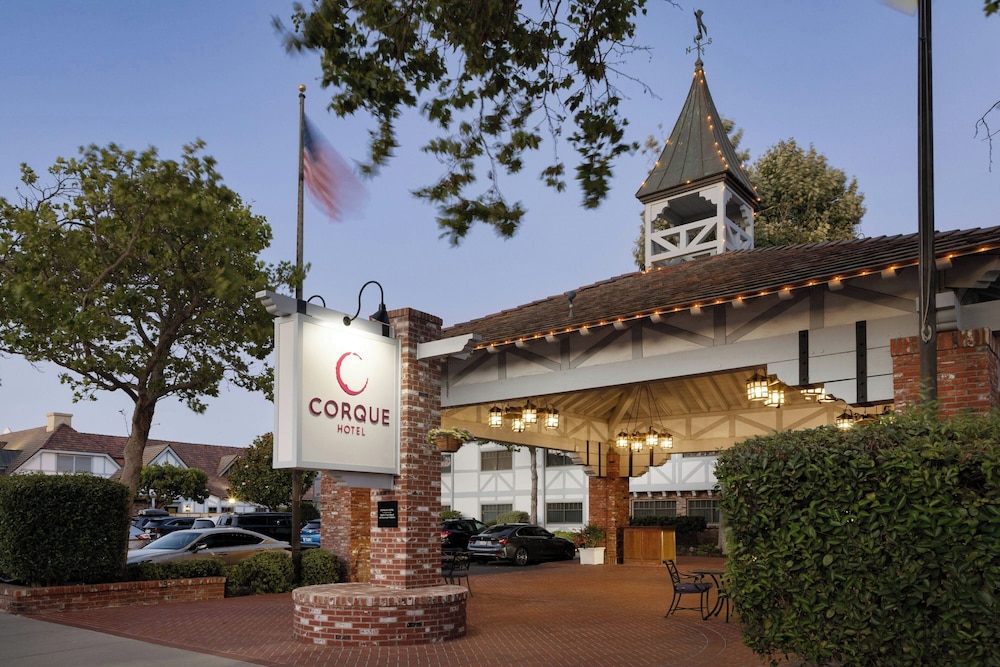
The travel, hospitality, and tourism fields use a specialized vocabulary that shapes how trips are planned and experienced. Understanding these terms helps travelers interpret industry practices, compare options with confidence, and make informed decisions about destinations, accommodations, and bookings.
Accommodation
Any place where a traveler can stay temporarily. This includes hotels, motels, private rentals, campgrounds, and short-term stays in homes or apartments. The accommodation type often affects both the cost and overall experience of a trip.
Advance Purchase
A requirement to buy a flight, cruise, or tour a set number of days or weeks before travel. These fares are usually lower but often come with strict change or cancellation penalties.
Airfare
The price charged by an airline to transport a passenger and their luggage between two locations. Airfare fluctuates based on booking date, seasonality, route demand, and class of service.
Allocation
The number of rooms or seats a supplier sets aside for an intermediary, like a wholesaler or travel agent, to sell at a pre-negotiated rate
Amenity
Any extra feature or service offered in addition to the basic cost of a stay. Common amenities include Wi-Fi, fitness centers, complimentary breakfast, and shuttle transportation.
Attrition
The shortfall between the number of attendees or bookings expected for an event and the number that actually materialize. Contracts often include penalties if attendance drops below an agreed-upon minimum.
Availability
The status of whether a room, flight, or service is open for purchase on a specific date. Confirming availability is the first step in securing any reservation.
Bed Tax
A local or state tax applied to hotel stays and short-term rental accommodations. The revenue typically supports tourism development and local infrastructure.
Booking
The act of reserving a travel component, such as a flight, hotel room, or tour, for a future date. A confirmed booking indicates that the provider has secured the reservation.
Business Travel
Travel conducted for professional purposes, such as meetings, conferences, or site visits
Carrier
A transportation company providing travel services, including airlines, bus lines, cruise lines, or rail operators
Charter
Transportation rented by a single group for exclusive use. Charters are commonly used for tours, school groups, and team travel.
Check-In
The formal process of registering arrival at a hotel, airport, or other facility, confirming the reservation and receiving access to a room or seat
Consortium
A group of independent travel agencies or hotels that join together to increase their purchasing power, allowing them to secure better rates and benefits from suppliers
Destination
The place to which a traveler is headed. More broadly, it refers to the larger geographic area, including its attractions, services, and cultural offerings.
Ecotourism
A form of tourism focused on responsible travel to natural areas, prioritizing conservation, minimizing environmental impact, and supporting local communities
Familiarization (FAM) Trip
A reduced-cost or complimentary trip provided to travel agents, journalists, or event planners so they can experience a destination or property firsthand
Force Majeure
A clause in travel contracts that releases parties from liability if external events, such as natural disasters, prevent fulfillment of the agreement
Front Desk
The primary reception area in a hotel where guests check in, check out, and receive assistance throughout their stay
Global Distribution System (GDS)
A large, computerized network used by travel professionals to access real-time information and make bookings for flights, hotels, and rental cars
Hotels
Commercial properties offering temporary lodging and related services such as dining, housekeeping, and meeting facilities. They play a central role in the tourism industry.
Lead Time
The amount of time between initial trip planning or purchase and the scheduled departure date.
Load Factor
The percentage of seats on an aircraft or rooms in a hotel that have been sold or are occupied during a given period
Minimum Stay
A requirement that guests book a room for a specified minimum number of consecutive nights
Net Rate
A wholesale rate provided by a supplier to an agency or intermediary, excluding commissions or markup
Package
A bundled offering of travel components, such as airfare, hotel stays, transfers, and tours, sold together for a single price
Rack Rate
The official published daily price for a hotel room, typically the highest rate before discounts or special offers are applie
Stay
A general term describing the time a traveler spends in a particular destination or lodging
Sustainable Tourism
Travel that meets the needs of visitors and host communities while protecting environmental, cultural, and economic resources for the future
Travel
The movement of people between locations for leisure, business, or other purposes, encompassing transportation, booking services, and related support industries
Tourism
The broader activity of taking trips and the industry that provides the goods and services enabling those experiences, from accommodations to attractions
Tour Operator
A company that assembles and sells packaged travel experiences, often purchasing flights, hotel stays, and activities in bulk
Walk-In
A guest who arrives at a hotel without a reservation and requests immediate accommodation
Additional Resources
- Glossary of Tourism Terms
- Terms Every Hospitality Professional Should Know
- Cultural Tourism Terminology
- Understanding the Language of Tourism
- Sustainable Tourism Glossary
- Travel Industry Definitions and Glossary
- Glossary of Travel Terms
- Travel and Tourism Industry Abbreviation Glossary
- The Difference Between Ecotourism and Sustainable Tourism
- Tourism Terms and Definitions