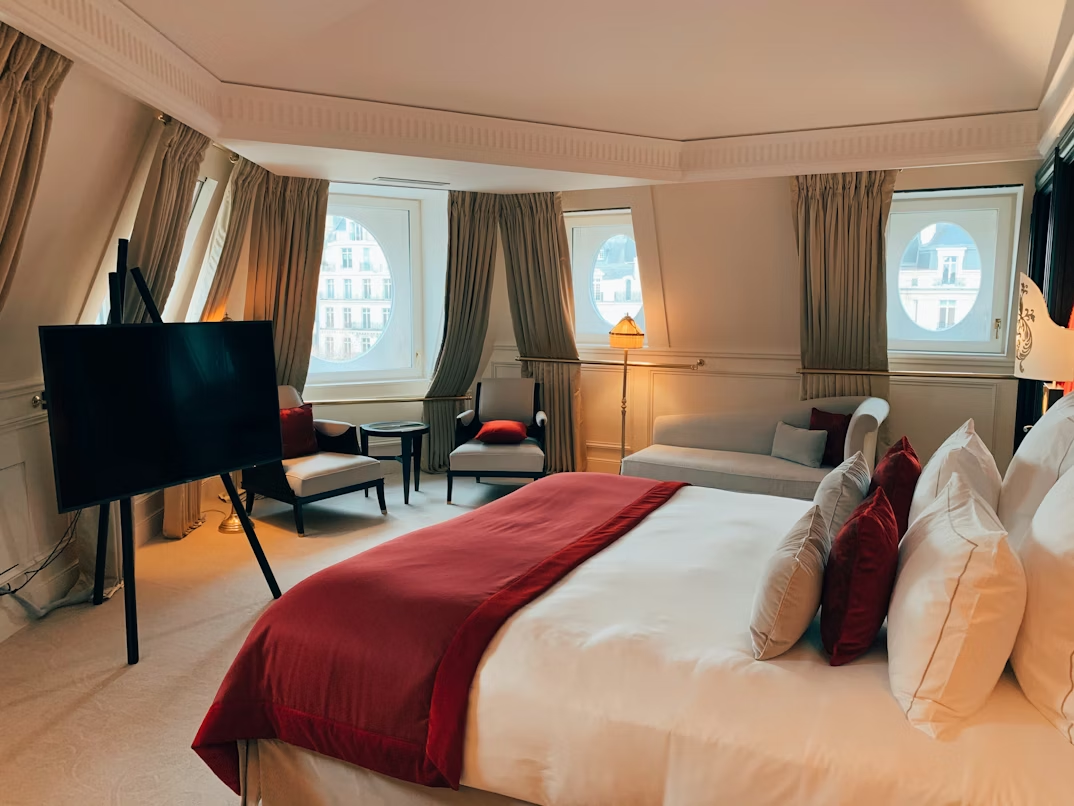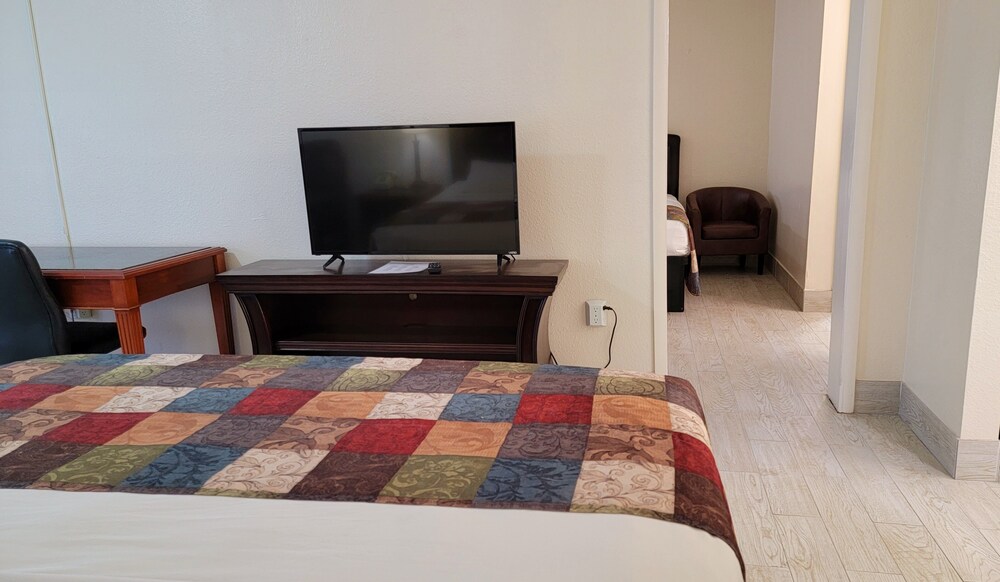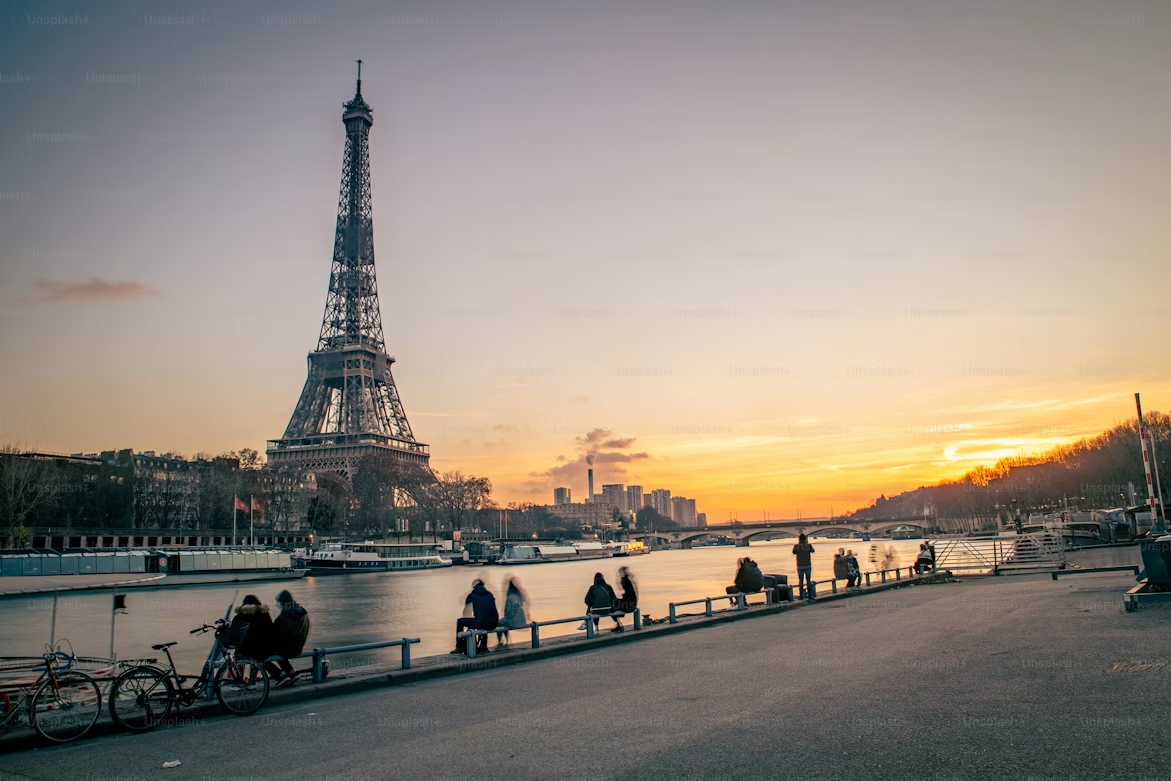
Paris, France, is the City of Light, or as some refer to it, the City of Love. It’s a captivating metropolis that seamlessly blends centuries of history with modern sophistication, drawing millions of visitors each year for its world-renowned museums, iconic architecture, romantic atmosphere, and exceptional cuisine.
If you’re visiting Paris soon, this guide will answer all your questions and help you navigate everything you need to know to make the most of your time and budget.
Where to Stay in Paris?
Paris offers plenty of arrondissements (districts) for visitors to find hotel stays and explore. Where you’ll stay depends on what you’re looking to get out of the experience, so it’s a good idea to learn about the various areas to plan accordingly.
Here’s an overview of the main areas where travelers typically stay:
1st & 2nd Arrondissements (Louvre/Opera Area)
The 1st and 2nd arrondissements form the heart of central Paris, home to the Louvre Museum, Palais Royal, and the Opéra Garnier. This area is the most tourist-friendly, putting you within walking distance of major attractions, shopping streets like Rue de Rivoli, and the beautiful Tuileries Garden.
This area offers a wide range of hotels from luxury to mid-range, all centrally located for easy access to monuments and museums. If you’re a first-time visitor who wants to be in the absolute center of Paris’s top sights, this area is ideal.
Le Marais (3rd & 4th Arrondissements)
Le Marais is one of Paris’s most charming and historic neighborhoods, blending medieval architecture with trendy boutiques and a thriving LGBTQ+ scene. This area is home to beautiful cobblestone streets, the Place des Vosges (Paris’s oldest planned square), and numerous museums, including the Picasso Museum.
Le Marais also offers excellent dining options, vintage shops, and vibrant nightlife, all within a highly walkable area. If you want to experience Parisian charm with easy access to major attractions and a lively atmosphere, Le Marais is the perfect choice.
Latin Quarter (5th Arrondissement)
The Latin Quarter is Paris’s historic intellectual hub, home to the prestigious Sorbonne University and the Panthéon. This neighborhood attracts visitors with its bohemian atmosphere, narrow medieval streets, and abundance of bookshops and cafés. The area offers hotels and hostels for various budgets, putting you within walking distance of Notre-Dame Cathedral, the Jardin des Plantes, and countless bistros serving authentic French cuisine.
If you’re looking for an authentic Parisian experience with literary history and student energy, the Latin Quarter is ideal.
Saint-Germain-des-Prés (6th Arrondissement)
Saint-Germain-des-Prés is considered one of the most elegant neighborhoods in Paris. This upscale Left Bank district is known for its literary cafés (like Café de Flore and Les Deux Magots), art galleries, antique shops, and the beautiful Luxembourg Gardens.
The area offers sophisticated accommodations, placing you at the heart of Parisian culture. If you prefer a refined atmosphere with easy access to museums, shopping, and dining, Saint-Germain-des-Prés is the destination for you.
7th Arrondissement (Eiffel Tower Area)
The 7th arrondissement is home to Paris’s most iconic landmark — the Eiffel Tower. It’s an elegant neighborhood, featuring the Musée d’Orsay, Rodin Museum, and Les Invalides. The area is safe, beautiful, and offers numerous hotels with classic Parisian views. It’s slightly quieter than the other central areas, and it provides easy Metro access to other districts.
If you want to wake up near the Eiffel Tower and enjoy a more residential Parisian experience, the 7th arrondissement is where you want to be.
Montmartre (18th Arrondissement)
Montmartre sits atop a hill in northern Paris, offering stunning views of the city from the steps of Sacré-Cœur Basilica. This historic artists’ quarter retains its village-like charm, featuring cobblestone streets, the famous Place du Tertre, where artists sell their work, and the iconic Moulin Rouge cabaret. The area offers a range of accommodations, including hotels and hostels, catering to various budgets.
If you’re looking for breathtaking views, an artistic atmosphere, and budget-friendly accommodation options, Montmartre is the ultimate destination.
How Far is the Airport From My Hotel in Paris?
Paris is served by two major airports: Charles de Gaulle Airport (CDG) to the northeast and Orly Airport (ORY) to the south. Here’s how far you can expect to travel from each airport to the main areas:
From Charles de Gaulle Airport (CDG):
- To Le Marais: 25-35 minutes by RER train, or approximately 40-50 minutes by taxi, depending on traffic
- To the Latin Quarter: 45-55 minutes by RER/Metro, or approximately 45-60 minutes by taxi
- To Saint-Germain-des-Prés: 50-60 minutes by RER/Metro, or approximately 45-60 minutes by taxi
- To Montmartre: 50-60 minutes by RER/Metro, or approximately 40-50 minutes by taxi
From Orly Airport (ORY):
- To Le Marais: 40-50 minutes by Orlyval/Metro, or approximately 30-40 minutes by taxi
- To the Latin Quarter: 30-40 minutes by Orlyval/RER, or approximately 25-35 minutes by taxi
- To Saint-Germain-des-Prés: 35-45 minutes by Orlyval/Metro, or approximately 30-40 minutes by taxi
- To Montmartre: 50-60 minutes by Orlyval/Metro, or approximately 45-55 minutes by taxi
Transportation options from both airports include RER trains and Metro (the most affordable options), rental cars (available at both airports), taxi services, rideshare services like Uber, hotel shuttles, and private car services. The RER B line from Charles de Gaulle and the Orlyval/RER B from Orly provide direct connections to central Paris.
Looking to stay closer to the airport? Browse hotels near Charles de Gaulle or near Orly Airport.
Is There Public Transportation in Paris?

Paris’s public transportation is operated by Régie Autonome des Transports Parisiens (RATP), which operates one of the world’s most extensive and efficient transit systems, including 16 Metro lines, 5 RER lines, buses, and trams.
These are your public transportation options in Paris:
- Paris Metro: 16 lines covering 214 km with 308 stations throughout the city. Trains run from approximately 5:30am (05:30) to 1:15am (01:15) Sunday-Thursday, and until 2:15am (02:15) on Fridays, Saturdays, and holidays. Trains arrive every 2-8 minutes during peak hours. Single tickets cost €2.10, round-trip €4.20.
- Regional Express Network (RER): 5 lines (A, B, C, D, E) connecting central Paris with suburbs and airports. Operates from approximately 5:30am (05:30) to 12:30am (00:30) daily. Fares vary by distance; trips within central Paris zones 1-2 cost €2.10 each way.
- Buses: Over 60 bus lines operate throughout Paris from 5:30am (05:30) to 12:30am (00:30), with some night bus (Noctilien) lines running overnight. A single ticket costs €2.10, the same as the Metro.
- Trams: 11 tram lines primarily serving outer arrondissements and suburbs, operating from 5:30am (05:30) to 12:30am (00:30) daily. A single ticket costs €2.10.
- Uber and Taxis: Available throughout the city for point-to-point travel. Official taxis can be hailed on streets or found at taxi stands. Costs vary by distance and traffic.
- Vélib’ (Bike Share): Paris’s bike-sharing system with over 20,000 bikes at 1,400+ stations. Day pass costs €5 (first 30 minutes free, then charges apply).
Note: For frequent travelers, Paris offers multi-day passes: Navigo Easy card (reloadable, €2), Paris Visite pass (1-5 days, €13.95-€72.40 depending on zones and duration), and weekly Navigo pass (€30.75 for unlimited travel in zones 1-5). These passes provide unlimited rides on Metro, RER, buses, and trams, making them a convenient and cost-effective option for visitors planning to use public transit throughout their stay.
To make life easier, you can also download the Bonjour RATP app to access the entire public transportation network of Île-de-France.
Is Paris a Walkable City?
Paris is considered one of Europe’s most walkable cities, with most central arrondissements offering excellent pedestrian experiences and beautiful boulevards designed for strolling.
Paris’s most walkable areas include:
- Le Marais: This historic neighborhood is highly walkable with narrow cobblestone streets, boutiques, cafés, and restaurants all within easy walking distance. You can explore the entire area on foot, from Place des Vosges to the Centre Pompidou.
- Latin Quarter: One of the most pedestrian-friendly areas in Paris, where you can walk from the Panthéon to Notre-Dame, exploring bookshops, cafés, and the Sorbonne along the way. The compact layout makes everything accessible on foot.
- Saint-Germain-des-Prés: This Left Bank neighborhood is ideal for walking, with elegant boulevards, the Luxembourg Gardens, and countless cafés and shops within a short radius. Most attractions are just a short stroll from each other.
- Île de la Cité and Île Saint-Louis: These two islands in the Seine River are completely walkable, offering stunning views, historic architecture, and charming streets perfect for exploring on foot.
- Montmartre: While hilly, Montmartre is highly walkable once you reach the top. The neighborhood’s artistic streets, Sacré-Cœur Basilica, and viewpoints are all accessible on foot, though the climb can be steep.
Paris’s compact central districts mean that major attractions are often within a 20-30 minute walk of each other. The Seine River walkways connect many of these areas, making it easy to walk between neighborhoods along the scenic riverbanks. The Metro also provides quick connections between areas when walking distances become too long.
Is Paris Safe?
Paris is generally safe for visitors, particularly in the main tourist districts and central arrondissements where travelers typically stay. Neighborhoods like Le Marais, the Latin Quarter, Saint-Germain-des-Prés, and the 7th arrondissement are considered safest for visitors.
Like any major city, standard safety precautions should be followed. While violent crime is rare in Paris, pickpocketing and petty theft remain the most common issues affecting tourists. Some areas in northern and northeastern Paris, including parts of the 10th, 18th, 19th, and 20th arrondissements (particularly near Gare du Nord, Stalingrad, and Porte de la Chapelle), experience higher crime rates and should be approached with caution, especially after dark.
For detailed, up-to-date safety information, refer to the Paris Police Prefecture’s public safety page.
Safety Tips for Visiting Paris:
- Be extremely vigilant against pickpockets, especially at major tourist sites (Eiffel Tower, Louvre, Sacré-Cœur), on crowded Metro lines, and at major stations like Châtelet-Les Halles and Gare du Nord. Keep bags zipped and close to your body.
- Be aware of common scams, including the “petition scam” (someone with a clipboard asking for signatures), the “gold ring trick” (someone pretending to find a ring and asking for money), and unofficial ticket sellers.
- Keep valuables out of sight and avoid leaving phones or wallets on café tables or restaurant chairs. Use crossbody bags with secure zippers.
- Use official taxis from taxi stands or licensed rideshare apps. Avoid unlicensed drivers who approach you at train stations or airports.
- The Metro is generally safe, but exercise standard urban caution during evening hours, especially on less crowded lines.
What to Do in Paris
Paris offers an extraordinary range of things to do for visitors, from world-renowned museums and historic monuments to charming neighborhoods and river cruises. Visitors typically spend their time exploring iconic attractions like the Eiffel Tower, the Louvre Museum, Notre-Dame Cathedral, and the Arc de Triomphe, strolling along the Champs-Élysées, and experiencing Parisian café culture. The city also offers plenty of free things to do for budget-conscious travelers.
These are some of the free things to do while in Paris:
- Notre-Dame Cathedral: While still undergoing restoration following the 2019 fire, the exterior and surrounding area remain accessible. The Gothic architecture and the plaza offer beautiful photo opportunities.
- Sacré-Cœur Basilica: Located atop Montmartre hill, this stunning white basilica offers free entry to admire the largest mosaic in France on its ceiling. The steps outside also provide one of the best panoramic views of Paris.
- Luxembourg Gardens: 25-hectare gardens in the 6th arrondissement, featuring manicured lawns, fountains, statues, and the beautiful Luxembourg Palace. It’s the perfect place for picnics and leisurely strolls.
- Seine River Walk: Stroll along the banks of the Seine for free, enjoying views of Paris’s iconic bridges and monuments. The riverbanks are perfect for walking, picnicking, or simply watching the city go by.
- Père Lachaise Cemetery: This cemetery is the famous final resting place of Oscar Wilde, Jim Morrison, Edith Piaf, and many other notable figures. The 110-acre grounds feature beautiful 19th-century architecture and tree-lined pathways.
You can also check out the city’s events calendar to see what’s happening while you’re there.
Where to Eat in Paris
Paris is renowned for its French cuisine, featuring traditional dishes such as coq au vin, beef bourguignon, escargot, French onion soup, and steak frites, alongside world-class pastries, cheeses, and wines. The city has also become a hub for innovative contemporary French cuisine, with numerous Michelin-starred chefs creating modern interpretations of classic dishes.
The major arrondissements — Le Marais, Latin Quarter, Saint-Germain-des-Prés, and Montmartre — feature restaurants, bistros, brasseries, and cafés within walking distance of hotels, making it easy to find authentic Parisian dining wherever you stay. Iconic dining experiences include classic bistros like Chez Georges (serving traditional French fare since the 1960s), Bouillon Chartier (offering affordable traditional dishes in a historic setting since 1896), and upscale destinations like Le Cinq at the Four Seasons (3 Michelin stars).
Beyond French cuisine, Paris offers a diverse range of international dining options, particularly in neighborhoods like Belleville and the 13th arrondissement, which are known for their Asian cuisine. The café culture is also central to Parisian life, with neighborhood cafés lining the streets that offer morning croissants, afternoon coffee, or evening aperitifs.
What’s the Weather Like in Paris?
Paris experiences all four seasons with a temperate oceanic climate, averaging 53°F (12°C) annually.
- Summer (June-August): July is the warmest month, with average highs around 77°F (25°C), rarely exceeding 95°F (35°C). Summers are pleasantly warm, with long daylight hours, though occasional heatwaves can occur. August is typically the driest month.
- Fall (September-November): Temperatures range from 64°F (18°C) in September to 48°F (9°C) in November. Fall offers comfortable weather with beautiful foliage, particularly stunning in October. Rain becomes more frequent as the season progresses.
- Winter (December-February): January is the coldest month, with average lows around 35°F (2°C) and highs around 45°F (7°C). Winters are cold and wet with short days and occasional light snowfall, though snow rarely accumulates for long.
- Spring (March-May): Temperatures gradually warm from 54°F (12°C) in March to 68°F (20°C) in May. Spring brings blooming flowers and pleasant weather, though rain showers are common. Days steadily lengthen throughout the season.
- Best time to visit: Late spring (May-June) and early fall (September-October) offer the most pleasant weather with mild temperatures, fewer crowds than peak summer, and comfortable conditions for sightseeing.
What to Know Before Going to Paris?
Before coming to Paris, here are a few things to keep in mind so there are no surprises:
- Metro Etiquette: Paris’s Metro system is efficient but crowded during rush hours (weekdays 7:30-9:30am/07:30-09:30 and 5:30-7:30pm/17:30-19:30). Keep your ticket until you exit, as inspectors regularly check, and you’ll be fined without proof of payment and always stand on the right on escalators to let others pass on the left.
- French Greetings: Always greet shopkeepers, waiters, and service staff with Bonjour (hello) before making requests. This is considered basic politeness in French culture, and skipping it can be seen as rude.
- Restaurant Culture: Service in Paris restaurants is typically slower and more leisurely than in other countries. You’re considered a guest, not just a customer. When you’re ready to leave, you must ask for the bill — it won’t be brought automatically as servers don’t want to rush you.
- Tipping: Unlike in the U.S., service is included in restaurant bills in France. However, leaving small change or rounding up (5-10%) for good service is appreciated but not mandatory.
- Sunday Closures: Many shops and some restaurants close on Sundays, particularly smaller boutiques and neighborhood businesses. Plan accordingly and check opening hours in advance. Major tourist attractions and chain stores usually remain open.
For quick and easy access to citywide information regarding events, things to do, nearby locations, and more, download the Paris je t’aime app before visiting!
Visiting Paris Soon?
Paris sees millions of visitors throughout the year, thanks to its old-world charm, iconic landmarks, cuisine, shopping, and more. With this guide, you’ll be equipped to navigate the city efficiently and make the most of your visit to the City of Light.
Planning to visit Paris soon? Whether you’re traveling for business or pleasure, HotelsOne makes it easy to browse through your options to find the perfect hotel stay at discounted rates. Find and book your Parisian hotel today!
HotelsOne is a premier reservation booking platform that allows you to browse over 400,000 hotels worldwide. Enjoy hassle-free, secure booking with discounted rates and no reservation fees! For more information on booking and customer support, check out our FAQs page.